
What Type of Paint Works Best for Humid Bathrooms in Auckland?
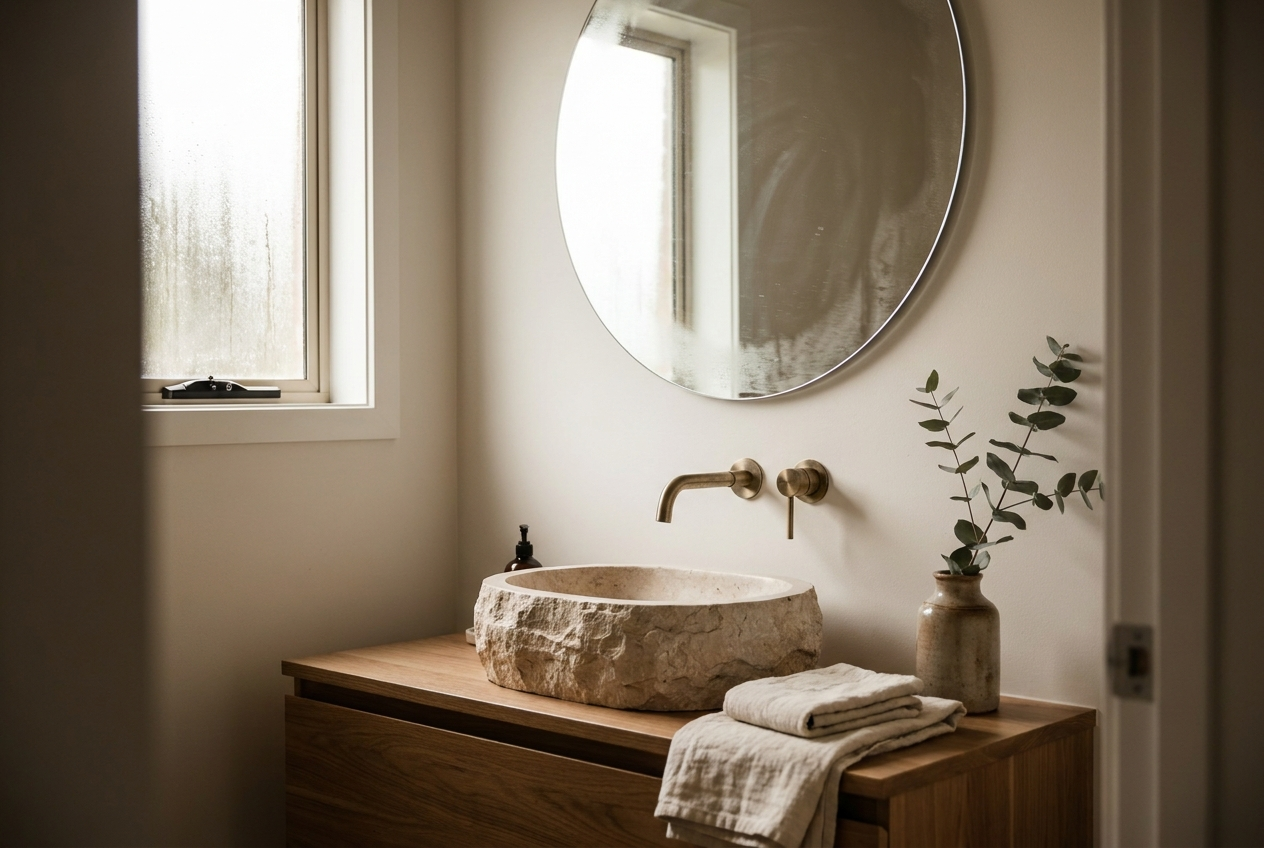
Bathrooms in Auckland are exposed to constant moisture, condensation, and humidity — which makes choosing the right paint essential. The wrong type of paint can quickly peel, bubble, or develop mould.
The best option is a moisture-resistant, mould-inhibiting bathroom paint with a semi-gloss or satin finish. These paints are durable, wipeable, and specifically designed to handle high-humidity areas.
Features to Look For in Bathroom Paint
Mould & mildew resistance – prevents black spots and stains.
Washable finish – easy to clean without damaging the surface.
Semi-gloss or satin – provides durability without being too shiny.
Low-VOC – safer for indoor air quality.
Tips for Longer-Lasting Bathroom Paint
Always use a primer on bare plaster or gib.
Install or improve ventilation (fans, windows).
Repaint every 5–7 years to keep surfaces fresh.
Avoid flat/matte finishes — they trap moisture and stain easily.
Get Expert Bathroom Painting in Auckland
At Key Painting, we use premium bathroom paints that stand up to Auckland’s humidity.
✅ Mould-resistant coatings
✅ Full prep and priming included
✅ Free instant estimates with our painting estimator tool
Why Auckland bathrooms are harder on paint than most
Every bathroom is a wet room. Auckland's are worse than most, for three reasons that have nothing to do with the paint you choose.
Our humidity doesn't drop off. Auckland sits around 80% average relative humidity year-round. In a lot of the country a bathroom dries out between uses. Here, through winter especially, it often doesn't — the moisture just sits, and any surface cool enough to hit dew point keeps a film of condensation on it for hours.
Most of the housing stock predates decent ventilation. Villas and bungalows were built with an openable window and nothing else. Plenty still have exactly that, or an extractor fan that vents into the ceiling cavity rather than outside — which moves the problem into your roof space instead of solving it. If your bathroom mirror is still fogged twenty minutes after a shower, your ventilation is the problem, not your paint.
Bathrooms are usually the coldest room in the house. Often on the south side, often uninsulated, frequently unheated. Cold surfaces plus warm wet air equals condensation, every single time.
Paint has to survive all of that. It cannot fix any of it.
What actually makes a paint "bathroom paint"
The phrase gets used loosely. There are really only two things that matter.
A tighter, less porous film. A bathroom-grade acrylic cures to a harder, more closed surface than a standard wall paint. Water sits on it and beads rather than soaking in, and it takes a wipe without burnishing. That's most of the durability difference.
A mould inhibitor in the can. This is the part people misunderstand, so it's worth being blunt: the inhibitor stops mould growing in the paint film itself. It does not stop mould growing on soap residue, dust, or silicone sitting on top of the paint. It buys you time and it makes cleaning easier. It is not a force field, and no paint sold in New Zealand is.
Low-VOC matters too, though for a different reason — a bathroom is a small room you often close the door on, so lower solvent content is simply more pleasant to live with while it cures.
Sheen: the decision most people get wrong
Sheen is the single biggest call you'll make, and the instinct to "go matte because it looks better" is what causes half the bathroom repaints we get called to.
| Sheen | Wipeable? | Where it belongs |
|---|---|---|
| Flat / matte | No | Nowhere in a bathroom. It's porous, it holds moisture, and it marks the moment you wipe it. |
| Low sheen | Just | Acceptable on walls in a well-ventilated bathroom with a working extractor. The most forgiving on imperfect old walls. |
| Satin | Yes | The sweet spot for most Auckland bathroom walls. Wipes clean, sheds moisture, still looks soft rather than plasticky. |
| Semi-gloss | Very | Trim, doors, window reveals, and walls in a genuinely problematic room. Shows every bump in the wall underneath, so prep has to be good. |
| Gloss | Very | Joinery only. On a wall it reads like a hospital corridor. |
One thing worth knowing: the higher the sheen, the more the wall's flaws show. On a hundred-year-old villa wall that has been patched six times, semi-gloss will point at every single repair. That's a real trade-off between washability and appearance, and it's worth making deliberately rather than by accident.
Walls, ceilings and trim want different products
A common shortcut is to buy one tin and do the whole room. It's a false economy.
- Ceilings take the worst of it — warm wet air rises and condenses there first. This is where mould appears before anywhere else, and where a proper kitchen-and-bathroom grade ceiling paint earns its money. A standard flat ceiling white in an Auckland bathroom is asking for black spotting within a couple of winters.
- Walls want the satin or low sheen above.
- Trim, doors and window reveals want an enamel or a waterborne enamel. Window reveals in particular cop running condensation every winter morning and will fail first if you treat them like wall.
Prep is what decides whether it lasts
You can buy the best bathroom paint on the shelf and still be repainting in two years if the surface underneath wasn't dealt with. Here's what a bathroom actually needs before a brush touches it.
- Kill the mould, don't paint it. Existing mould has to be treated and killed, not covered. Painting over live mould gives it a food source and it comes straight back through — usually in the same pattern, which is how you know.
- Wash off the soap film. Bathroom walls carry an invisible residue of soap, shampoo and body oils. Paint does not stick to it. Sugar soap and a rinse, every time.
- Deal with the silicone. Old silicone around baths and basins should come out and be replaced after painting, not painted over. Paint will not adhere to it and it peels away in strips.
- Prime bare patches. Any exposed plaster, gib or filler needs sealing or it'll flash through the topcoat as a dull patch.
- Fix the ventilation. Not our trade, but we'll tell you when it's the real problem, because repainting without fixing it is money you'll spend twice.
The mistakes we get called to fix
- Matte paint on bathroom walls because it photographed nicely on someone's feed. It marks, it holds moisture, and it can't be wiped.
- Painting over mould and expecting the inhibitor to deal with it. It won't.
- Skipping the ceiling because it "looked fine". It's the first surface to go.
- Repainting instead of fixing the fan. The most expensive mistake on this list, because you pay for the repaint twice.
- Painting in winter with the door shut. Waterborne paint needs air movement to cure. A cold, sealed, humid bathroom is the worst curing environment in the house — leave the window open and give it time.
What about decorative finishes in a bathroom?
This comes up constantly now, and the honest answer has two halves.
Around the bathroom — vanity walls, walls away from direct spray — a sealed decorative finish can be beautiful. Venetian plaster in a Tadelakt finish is the traditional choice here and it's genuinely made for damp rooms.
Inside the shower — no. Venetian plaster is not a waterproofing system. The product for that is microcement, which is fully waterproof, ties into the waterproofing membrane, and meets the Building Code for wet areas. We're certified in both, so we have no reason to steer you at the wrong one.
Frequently asked questions
What is the best paint finish for a bathroom in Auckland?
A washable low-sheen, satin or semi-gloss with mould resistance is the usual choice — the slight sheen sheds moisture and wipes clean. Ceilings benefit from a kitchen-and-bathroom grade paint, and good ventilation matters as much as the product.
How do I stop mould coming back on bathroom walls?
Use a mould-resistant paint, fix the moisture source (extractor fan, ventilation), and prep properly — kill existing mould and prime before repainting. Paint alone won’t fix a ventilation problem.
Can you use decorative finishes in a bathroom?
Yes — properly sealed polished (Venetian) plaster and microcement-style finishes can work beautifully in bathrooms and around vanities, giving a seamless, water-tolerant look. The key is the right product and sealing for a wet area.
Planning a bathroom repaint or refresh? See our interior painting service, get a free instant estimate, or book a free consultation.